 ASL Translator
Learn American Sign Language, one friendly sign at a time
Turn English text into American Sign Language fingerspelling. See the handshape for every letter and practice at your own pace.
How do you sign “thank you”?Try the ASL translator

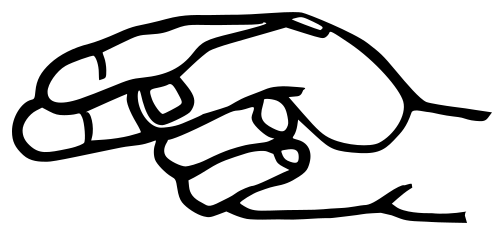
Explore the ASL alphabet
Select a letter to view it in the converter.
Common ASL signs on video
How to use the converter
- Type an English name, word, or short phrase.
- Select Convert to ASL to see its fingerspelling sequence.
- Play the sequence or select a letter to study its handshape.
Practice ASL fingerspelling
Start with names or initials you use often. Hold each handshape long enough to see it clearly, then practice moving smoothly between letters.
- Names
- Maya → M–A–Y–A
Spell a first name slowly. Use the alphabet grid to review any handshape that feels unfamiliar.
- Initials
- ASL → A–S–L
Practice the three letters in order, then repeat the sequence at a steady pace.
- Common phrases
- Thank you → T–H–A–N–K / Y–O–U
Pause between words. In conversation, common phrases such as “thank you” and “I love you” also have conventional ASL signs.
Frequently asked questions
What is ASL fingerspelling?
Fingerspelling uses ASL handshapes to spell words letter by letter. It is commonly used for names and unfamiliar terms.
Can I translate a full sentence into ASL?
This tool spells out English letters. Full ASL translation uses signs, movement, facial expressions, and ASL grammar.
How do I sign J and Z?
Both letters involve movement. Trace a J with your little finger and a Z with your index finger. Follow the arrows on the illustrations.
Can I spell my name in ASL?
Yes. Enter your name using English letters A–Z. The converter shows each handshape in order, and you can select any letter to study it.
What happens to numbers and punctuation?
The converter skips numbers, punctuation, and other unsupported characters. Separate words appear in distinct groups.